
'%20stroke-opacity='0.2'%20stroke-width='2'/%3e%3cpath%20d='M3.11592%2019.2884C1.75802%2014.0938%204.86823%208.78202%2010.0628%207.42412L31.7476%201.75552C33.7413%201.23434%2035.8588%201.49254%2037.6689%202.47756L45.1886%206.5697C47.5462%207.85267%2049.2684%2010.0533%2049.9473%2012.6501L57.5913%2041.8917C58.9492%2047.0862%2055.839%2052.398%2050.6444%2053.7559L23.9954%2060.7222C18.8008%2062.0801%2013.489%2058.9699%2012.1311%2053.7754L3.11592%2019.2884Z'%20stroke='url(%23paint1_linear_54018_1330)'%20stroke-width='4'/%3e%3cpath%20d='M3.1208%2019.2884C1.7629%2014.0938%204.87311%208.78202%2010.0677%207.42412L31.7524%201.75552C33.7462%201.23434%2035.8636%201.49254%2037.6737%202.47756L45.1935%206.5697C47.5511%207.85267%2049.2733%2010.0533%2049.9522%2012.6501L57.5962%2041.8917C58.9541%2047.0862%2055.8439%2052.398%2050.6493%2053.7559L24.0002%2060.7222C18.8057%2062.0801%2013.4939%2058.9699%2012.136%2053.7754L3.1208%2019.2884Z'%20fill='%235B5B5B'/%3e%3cpath%20d='M31.7516%201.75597C33.7454%201.23478%2035.8633%201.49203%2037.6734%202.47705L45.1931%206.5696C47.505%207.82776%2049.2028%209.96938%2049.9079%2012.5007L41.6862%2014.6499C38.2233%2015.5551%2034.6819%2013.4821%2033.7765%2010.0193L31.625%201.78906L31.7516%201.75597Z'%20fill='%23CEFFD2'%20fill-opacity='0.3'/%3e%3cpath%20d='M38.6744%2029.5512C40.6539%2030.0946%2041.3029%2032.5771%2039.8425%2034.0198L31.0802%2042.6757C29.6198%2044.1184%2027.1453%2043.4391%2026.6261%2041.4531L23.5111%2029.5367C22.9919%2027.5506%2024.8174%2025.7473%2026.7969%2026.2907L38.6744%2029.5512Z'%20fill='url(%23paint2_linear_54018_1330)'/%3e%3cdefs%3e%3clinearGradient%20id='paint0_linear_54018_1330'%20x1='14.2197'%20y1='34.6499'%20x2='62.8873'%20y2='40.1141'%20gradientUnits='userSpaceOnUse'%3e%3cstop%20stop-color='%23D6FB72'/%3e%3cstop%20offset='1'%20stop-color='%2376F9B1'/%3e%3c/linearGradient%3e%3clinearGradient%20id='paint1_linear_54018_1330'%20x1='7.62353'%20y1='36.5319'%20x2='55.4562'%20y2='29.4896'%20gradientUnits='userSpaceOnUse'%3e%3cstop%20stop-color='%23D6FB72'/%3e%3cstop%20offset='1'%20stop-color='%2376F9B1'/%3e%3c/linearGradient%3e%3clinearGradient%20id='paint2_linear_54018_1330'%20x1='30.5755'%20y1='24.9296'%20x2='32.6408'%20y2='42.908'%20gradientUnits='userSpaceOnUse'%3e%3cstop%20stop-color='%23D6FB72'/%3e%3cstop%20offset='1'%20stop-color='%2376F9B1'/%3e%3c/linearGradient%3e%3c/defs%3e%3c/svg%3e)
Drag and Drop files to upload or
'%20stroke='%232D2D33'%20stroke-width='3'/%3e%3cpath%20d='M9.86621%2012.8366L13.9744%208.91127L18.1435%2012.8976M13.8403%209.92308L13.9134%2019.0781'%20stroke='%232D2D33'%20stroke-width='3'%20stroke-linecap='round'%20stroke-linejoin='round'/%3e%3c/svg%3e) Browse
BrowseA practical way to translate spoken English when you’re working with recordings, not live conversations.
Upload Files
Add an English audio or video file that already contains spoken content.

Review Translation
Check the translated text and pronunciation before voice generation.
Export Voice
Download the Chinese voice output for reuse in video, audio, or presentations.
Built for real content workflows, not live interpreting.
Built for how people actually talk. It recognizes multiple speakers, adapts to accents and colloquial phrases, and follows the rhythm of a real dialogue, not just isolated sentences.
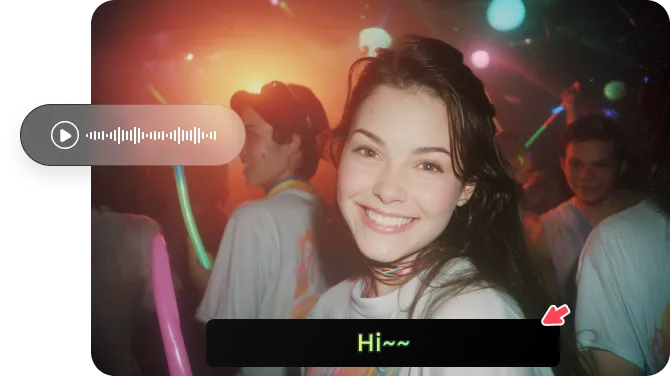
Goes beyond single words. It interprets whole sentences and grasps the topic to translate the intended meaning, providing natural Chinese that reflects what was truly said.

Receive a clear, formatted text document of the translation. Immediately quote, summarize, send to colleagues, or incorporate the content into your reports and notes.
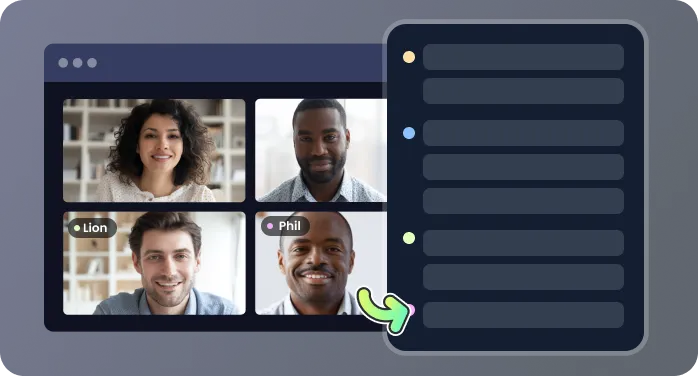
Translate directly from your workflow. Use it on live calls via screen recording, upload saved meeting files, or process interviews and podcasts from your device.
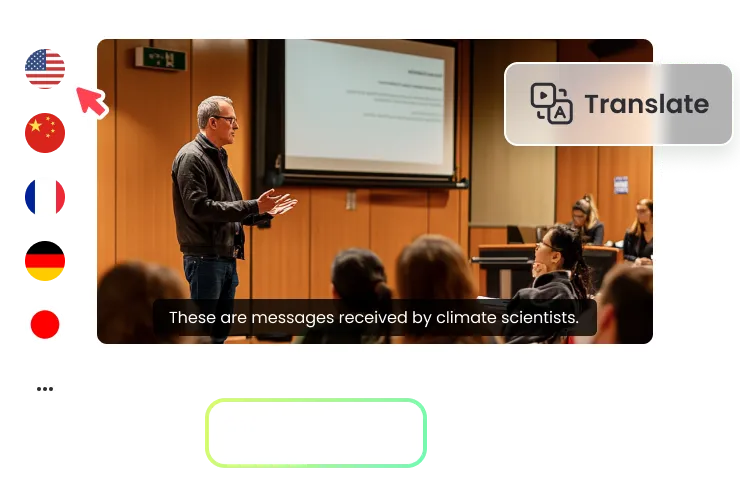
Handle extended content seamlessly. Translate full lectures, hour-long presentations, or multi-part interviews as single files without artificial time limits.
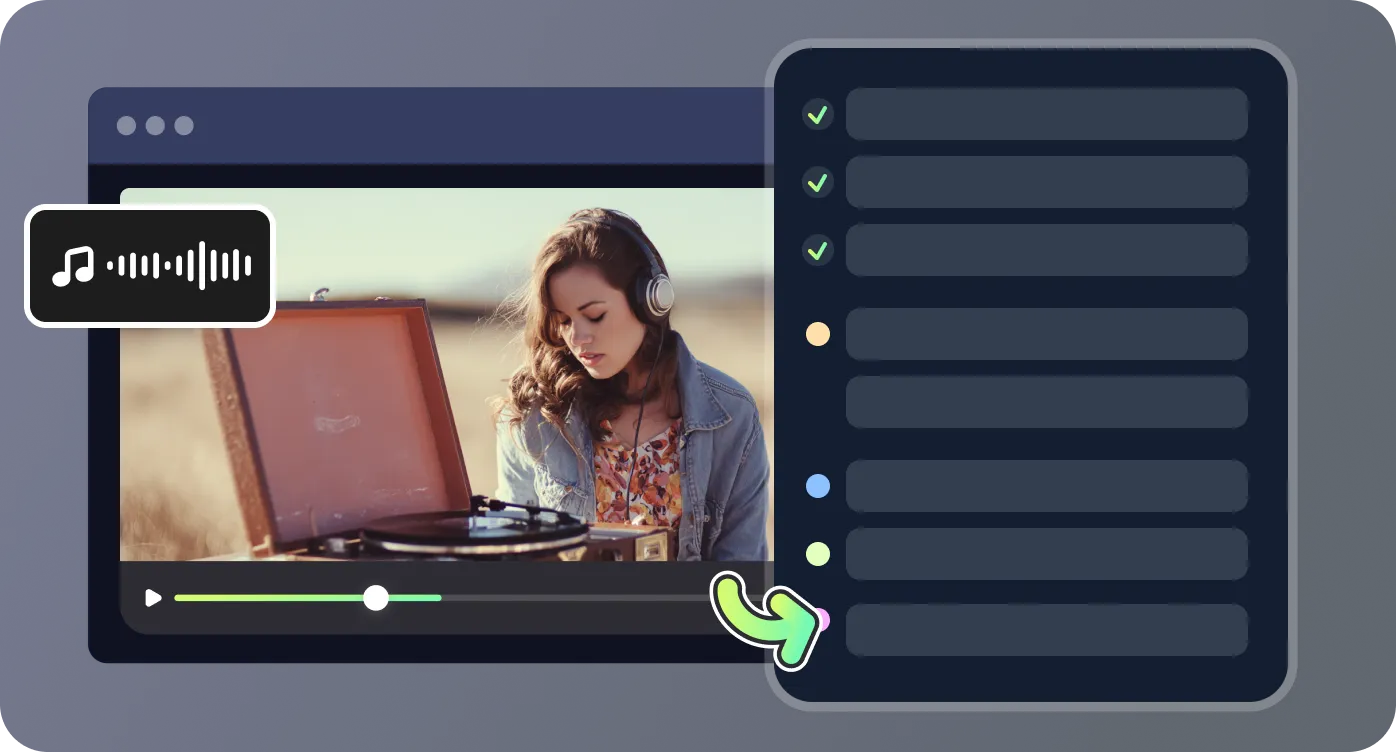
Where translating spoken English into Chinese voice actually matters.

We interview global users. After a London beta tester session, I uploaded the recording and got a Chinese transcript with speakers labeled. My team in Shanghai read the exact quotes and identified a key checkout flow issue by that afternoon.

My negotiations often happen over conference calls. I now record them with consent, translate the English discussions, and share the key points with our warehouse lead in Beijing. It has prevented several misunderstandings about specs and deadlines.

For my thesis on digital communities, I’m analyzing over 50 hours of English-language podcast interviews with tech founders. Manually transcribing and translating even one episode took days. Now, I upload an episode, get a searchable Chinese text file, and use Ctrl+F to find all instances where they discuss “community moderation.” Last week, I found a connecting theme across five different interviews in an afternoon, something I would have missed manually.

My great-uncle’s oral history tapes from the 1990s were a treasure trove, but his heavy use of American slang and old idioms made them hard for the family in Taiwan to understand. I digitized the tapes, used RecCloud to translate the stories, and then smoothed out a few dated phrases in the text. The final booklet, with his English stories alongside the clear Chinese translation, was given to my grandmother for her 90th birthday. She finally understood the story of how he left home, in his own words.

Common questions about translating spoken English.

